Book Club 2026 Trinity Term reading list
|
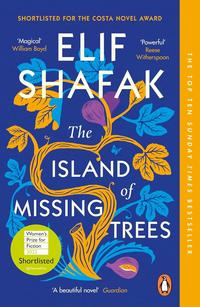
You don't fall in love in Cyprus in the summer of 1974. Not here, not now. In 1974, two teenagers, from opposite sides of a divided Cyprus, meet at a tavern in the city they both call home. The tavern is the only place that Kostas, who is Greek, and Defne who is Turkish, can meet in secret, hidden beneath the leaves of a fig tree growing through the roof of the tavern. This tree will witness their hushed happy meetings, and will be there when the war breaks out and the teenagers vanish. Decades later in north London, sixteen-year-old Ada has never visited the island where her parents were born. She seeks to untangle years of her family's silence, but the only connection she has to the land of her ancestors Is a fig tree growing tin the garden of their home . . . |
|
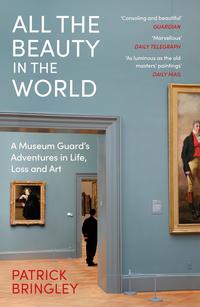
| A revelatory portrait of a great museum and the moving story of one guard's quest to find solace and meaning in art
'Who would have thought that the outstanding art book of you would have been written not by a curator or an art historian or even an artist - but by a museum guard?' Sunday Times When Patrick’s older brother dies at twenty-six, all he wants is to retreat. So, he does. He quits his job and seeks refuge in the most beautiful place he can think of: New York’s Metropolitan Museum of Art. All the Beauty in the World recounts Patrick’s time as a museum guard, keeping quiet vigil over some of our greatest treasures and uncovering the Met’s innermost secrets. As his connection to the art and the life that swirls around it grows, so does Patrick – and gradually he emerges transformed by heartbreak, community and the power of art to illuminate life in all its pain, pleasure and hope. |
|
|
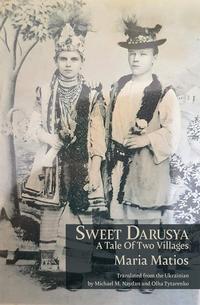
o my mind Maria Matios’ Sweet Darusya is the best contemporary Ukrainian novel written since Ukrainian Independence in 1991. It reveals a family saga that is much more dynamic than classical sagas and at the same time is much more touching and engaging. It is an emotional history of Ukraine with a very well researched and vivid historical background that gives the reader the opportunity to understand not only the characters and their drama, but the entire drama of the country/countries in which they lived without leaving their village. Maria Matios with her novel Sweet Darusya has boldly and strongly tossed political caution and public taboos to the wind -- and at her own risk has taken us on a cruel journey into our bloody, and no less cruel, historical hell, into the abyss, where it is terrifying to peer. Ecstatic reactions, many awards, and the large number of readers are tied to its vivid, rich, but almost never sweet language, thanks to which the old world of a Ukrainian village blooms and begins a new life. With Sweet Darusya, Maria Matios constructs a refined literary monument to the victims of fickle history. A disquieting novel. A heartrending, fantastic book from the land next to the Romanian-Ukrainian border. This is a chronicle of Soviet tyranny in Ukraine. |
|

